
Georgia’s most compelling destinations lie beyond the well-trodden path of Atlanta, Savannah, and Stone Mountain. The state harbors remarkable natural wonders, historical treasures, and quirky attractions that reward adventurous travelers willing to venture into its lesser-known corners. These hidden gems offer authentic Georgia experiences without the crowds that characterize mainstream tourist destinations.
Geological Marvels and Natural Wonders
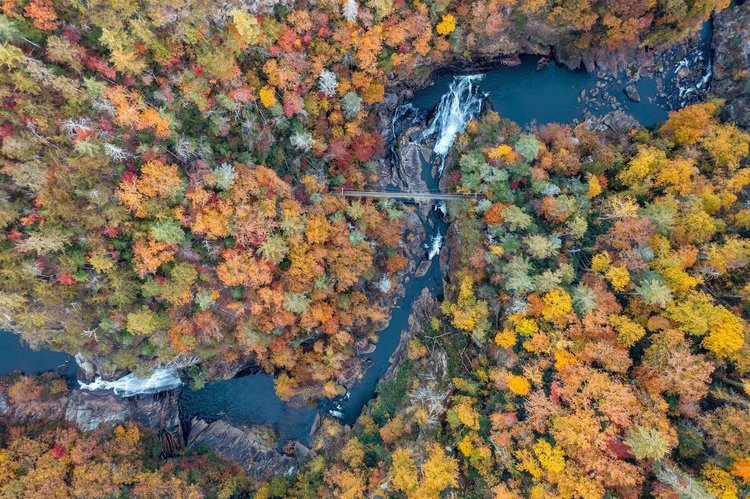
Tallulah Gorge State Park stands as one of the most underappreciated natural attractions in the eastern United States. Located 90 minutes north of Atlanta, this spectacular canyon stretches two miles long and plunges nearly 1,000 feet deep—among the deepest gorges on the eastern seaboard. The gorge features five cascading waterfalls, including Hurricane Falls (nearly 100 feet tall) and Bridal Veil Falls. The park’s signature feature is an 80-foot suspension bridge that sways dramatically above the rocky gorge floor, providing vertigo-inducing views of the Tallulah River and its waterfalls. Access to the gorge floor requires limited daily permits (100 maximum), encouraging early arrival. The North Rim Trail follows recycled-tire pathways to multiple overlooks, making it accessible for varying fitness levels. Summer months see visitors sliding on rocks and swimming in the turquoise waters, while fall foliage transforms the surrounding forests into brilliant palettes of color.
Black Rock Mountain State Park holds the distinction of being Georgia’s highest state park, perched at 3,640 feet elevation on the Eastern Continental Divide. This 1,743-acre preserve commands sweeping 80-mile vistas of the southern Appalachian Mountains; on clear days, visitors can see four states: Georgia, North Carolina, South Carolina, and Tennessee. The park features 11 miles of hiking trails ranging from an ADA-accessible 0.5-mile Falls Trail to the challenging 7.2-mile James E. Edmonds Backcountry Trail. Mountaintop facilities include a visitor center, 10 cottages with fully equipped kitchens and rocking-chair porches, a small fishing lake, and campsites nestled beneath rhododendrons. The summit location often produces temperatures significantly cooler than lower elevations, requiring closure during icy conditions. This park successfully combines accessibility with wilderness solitude for those willing to navigate steep, winding mountain roads.
Providence Canyon State Park, affectionately known as “Georgia’s Little Grand Canyon,” represents an unexpected geological wonder in southwest Georgia. Spanning 1,003 acres in Stewart County near the Alabama border, the canyon features dramatic walls of orange, red, pink, and white sediment layering—though the vibrant hues resulted not from ancient geological processes, but from 19th-century farming erosion. Ironically, what began as environmental degradation transformed into a stunning landscape that the state now protects. The Canyon Loop Trail descends into the gullies for intimate encounters with colorful soil stratification, while elevated overlooks provide sweeping vistas. The park includes a small museum documenting the canyon’s unusual history, picnic areas, and campsites for overnight stays. Nearby Florence Marina State Park extends the weekend destination appeal with boating and fishing opportunities.
Okefenokee Swamp, located along Georgia’s southeastern border with Florida, ranks as America’s largest blackwater swamp and perhaps the continent’s most underrated wilderness. Covering approximately 640 square miles and encompassing 350,000 protected acres, the Okefenokee rivals the Everglades in ecological significance yet attracts far fewer visitors. The name derives from a Creek phrase meaning “land of the trembling earth,” describing the peat-floored islands that shift beneath one’s feet. The swamp is home to an estimated 15,000 American alligators, plus black bears, river otters, and rare species including indigo snakes and wood storks. Boat tours (1-2 hours) provide the most accessible experience, revealing alligators beneath coffee-colored waters and abundant waterfowl overhead. The preserved Chesser family homestead, inhabited from the 1850s until 1971, offers a window into self-sufficient swamp living. Stephen C. Foster State Park within the swamp designates an International Dark Sky Park (gold tier, the only one in the Southeast), making it an exceptional stargazing destination. Entry fees remain minimal at $5 per vehicle, with additional boat tour fees depending on operator.
Historic Towns and Architectural Gems
Thomasville, Georgia, located four hours south of Atlanta and nearer to Tallahassee, Florida than most major Georgia cities, represents a quintessential Victorian-era small town that escaped modern homogenization. This town of 18,000 boasts an immaculate historic downtown with brick-paved streets hand-laid in 1907, lined with Victorian storefronts and locally owned boutiques. The centerpiece is the extraordinary Lapham-Patterson House Historic Site, a 6,000-square-foot mansion constructed in 1884-1885 as a winter retreat for Chicago shoe magnate C.W. Lapham, a Great Chicago Fire survivor who insisted on over 50 building exits. The home showcases Victorian excess: fish-scale shingles, long-leaf pine inlaid floors, a remarkable double-flue chimney, and a cantilevered balcony. Nearby plantations, including the 3,000-acre Pebble Hill Plantation established in the 1820s, offer tours of neoclassical mansions and landscaped grounds. The Thomasville Rose Garden, featuring over 1,500 rose bushes, earned the city its “Rose City” moniker. Local museums including the Jack Hadley Black History Museum (5,000 artifacts) and the Thomasville History Center provide cultural depth. The town’s oldest restaurant, The Plaza, has operated without interruption, and recently re-established downtown now thrives with live music venues, artisan galleries, and excellent regional cuisine.
Juliette, Georgia, a small Monroe County community, achieved unexpected fame as the filming location for the classic film Fried Green Tomatoes. The town’s McCrackin Street contains the iconic Whistle Stop Cafe, where tourists queue for the same BBQ and fried green tomatoes featured in the movie. Named after a railroad engineer’s daughter, the town retains its authentic character with locally owned shops, antiques, and movie memorabilia lining the main thoroughfare. The Ocmulgee River drives the town’s identity, offering cabins and homes available for rent along its banks. The Jarrell Plantation State Historic Site encompasses 200 acres of former cotton plantation grounds, preserving slave houses from the 1800s and farm structures including sawmills and sugar cane presses. Nearby attractions include the Juliette Dam (featured in the film), Juliette Park for cycling and nature walks, and the Dauset Trails Nature Center with 30 miles of hiking and biking trails. The Whimsical Botanical Gardens nearby feature antique collections, ornamental statuary, and fountain displays.
Cave Spring, a tiny town of approximately 1,000 residents in Floyd County near the Alabama border, exemplifies quintessential small-town Southern charm. Located just 20 minutes from Rome, Georgia, Cave Spring centers on its namesake natural attraction: a limestone cave with stalagmites and a pristine freshwater spring in Rolater Park. The spring pours from a rock building surrounding the cave entrance, flowing into a 1.5-acre swimming pool filled with ice-cold spring water reported to be 99.999% pure. The cave is open seasonally (daily in summer, weekends off-season) for a $2 cash fee, while the spring remains open year-round for free water collection. The surrounding community maintains characteristic Southern hospitality, with a small town square and a Van Cherokee cabin preserved for historical significance. The town epitomizes the kind of “drive left when you should turn right” discovery that yields authentic regional experiences.
Unique and Quirky Attractions
Old Car City USA, hidden in the small town of White (45 minutes north of Atlanta), represents what may be the world’s largest classic car junkyard transformed into an open-air museum. Sprawling across 32-34 acres, the facility displays over 4,000 classic automobiles dating from the early 1900s to the 1970s, integrated into the natural forest landscape across seven miles of trails. The owner, Walter Dean Lewis (known as the “Mayor” of Old Car City), inherited the family business founded in 1931 and made the unconventional decision to let nature reclaim the vehicles, creating what photographers call a “hauntingly beautiful” automotive graveyard. Vehicles range from Fords and Chevrolets to Cadillacs, Dodges, and a Trans Am, with some vehicles staged in whimsical configurations (an ice cream truck, school bus, and Ford Custom Cab mounted above a chair). Notably, Elvis Presley’s 1977 Lincoln Mark V, purchased for his hairstylist Larry Geller, stands on permanent display. The site’s owner maintains an on-site art gallery, and the facility offers “Haunted Trails” night tours in October. Entry costs $20 for general walking tours or $30 for photography-focused visits, with all-day access and the ability to return the same day. Visitor reviews consistently praise the melancholic beauty and photographic opportunities, though the site presents physical challenges given the uneven terrain and lack of formal infrastructure.
Cumberland Island National Seashore, Georgia’s southernmost and largest barrier island reachable only by ferry from St. Marys, represents a genuine escape from the developed world. One-third larger than Manhattan, the island’s 17-mile shoreline remains largely undeveloped, with more than 150 wild horses roaming freely through maritime forests draped in Spanish moss. The island’s history intertwines with American wealth: during the Gilded Age, industrialist Thomas Carnegie and other tycoons established grand estates, though most remain in romantic decay. The privately owned Greyfield Inn, built in 1901 as a Carnegie family mansion, operates as the island’s sole overnight accommodation, featuring oceanfront suites and a distinctive live-off-the-land restaurant philosophy. Historic sites include Plum Orchard Mansion (offering guided tours despite deteriorating conditions), the ruins of Dungeness, and the First African Baptist Church, site of John F. Kennedy Jr. and Carolyn Bessette’s 1996 secret wedding. The island accommodates over 50 miles of hiking trails, extensive camping areas (limited permits required), and opportunities to observe rare species including sea turtles, dolphins, and migratory birds. Its status as a candidate for UNESCO World Heritage designation reflects its ecological and historical significance.
Historic and Recreational Parks
Watson Mill Bridge State Park, located near Comer in northeast Georgia, centers on the state’s longest covered bridge still in active use. Built in 1885 by W.W. King (son of renowned bridge-builder Horace King, himself a freed slave), the bridge spans 229 feet across the South Fork River using a Town lattice truss system held together with wooden pegs called trunnels. Georgia once boasted over 200 covered bridges; fewer than 20 remain. The surrounding 1,118-acre park provides 7 miles of hiking trails, 5 miles of biking paths, and 14 miles of equestrian trails through thick forests and along the river’s edge. Summer visitors wade in shallow river shoals beneath the bridge, while the park has developed into a destination for horseback riders, complete with 22 stables and dedicated equestrian camping. Facilities include 21 camping sites, 11 equestrian campsites, and 3 log cabin bunkhouses. The park offers an authentic blend of history, recreation, and quiet contemplation without the infrastructure demands of more developed attractions.
Fort Mountain State Park, perched on the edge of the Cohutta Wilderness in northwest Georgia, harbors one of the state’s greatest mysteries: an 855-foot wall of stacked rocks of unknown origin and purpose. Archaeological debate continues regarding the structure’s age and function—some scholars propose it served as a military fortification, others suggest spiritual significance. Atop the mountain stands a historic CCC (Civilian Conservation Corps) fire tower offering panoramic views. While the West Overlook Trail draws crowds to these signature features, the Goldmine Creek Trail (2 miles) provides secluded alternatives, passing tumbling waterfalls and quiet streams. The park accommodates both car camping on platforms and walk-in campsites, plus backcountry camping along the Gahuti Trail for those seeking true isolation. This combination of archaeological mystery, historical structures, and accessible trails explains why Fort Mountain deserves greater recognition than it receives.
Lagodekhi National Park in eastern Georgia provides profound biodiversity within a largely unvisited landscape. Featuring five hiking trails of varying difficulty, the park encompasses subtropical flora at lower elevations transitioning to alpine zones at higher elevations, with numerous pristine lakes and waterfalls. The park’s medieval fortress of Machi adds historical dimension to the natural experience. Hikers pursuing waterfalls like Ninoskhevi and Rocho traverse untouched landscapes, while Black Rock Lake offers a final tranquil destination. The Chesser family, referenced in Okefenokee documentation, exemplifies the Caucasian heritage visible in these mountain communities.
Practical Considerations for Hidden Gem Exploration
Accessing Georgia’s hidden gems requires strategic planning. The state’s natural attractions concentrate primarily in the Blue Ridge Mountain region (north) and the southeastern coastal plain and swamps (south), with significant travel distances between regions. Spring and fall offer optimal visiting conditions—summer heat and humidity challenge even acclimated travelers, while winter weather frequently closes mountain parks. Accommodations near remote attractions range from rustic state park campgrounds to limited historic inns and vacation rentals; advance reservations are essential during weekends and holiday periods. Many hidden gems charge modest day-use fees ($2-$5 per vehicle), making extended exploration economically feasible.
Photography enthusiasts dominate visitor demographics, particularly at Old Car City, Providence Canyon, and Tallulah Gorge. Hikers should prepare for Georgia’s notably humid subtropical climate, with elevations in the mountains providing only modest temperature relief. The state’s natural areas, particularly Okefenokee and Cumberland Island, harbor venomous snakes and alligators; standard wilderness precautions apply. Historical sites like Thomasville plantations and Juliette often operate limited hours; confirmation before travel prevents disappointment.
Georgia’s hidden gems collectively represent the state’s genuine character—a landscape shaped by geological forces, historical upheaval, industrial ambition, and ecological resilience. These destinations reward deliberate travel planning with authentic encounters unavailable at conventional tourist centers.