
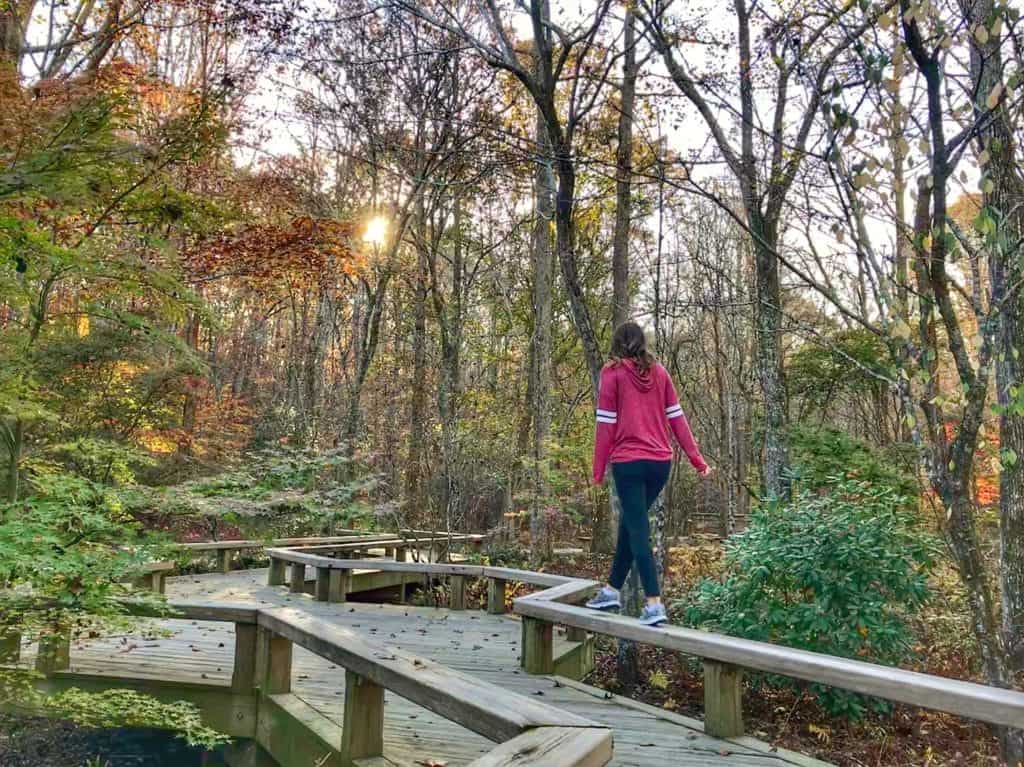
Georgia stands out as a destination explicitly optimized for independent travelers, combining objective safety metrics (20th globally on International Crime Index, 41st for solo female travelers with 4.5/5 rating) with psychological and cultural factors that transcend statistical rankings—namely, an institutional hospitality culture valuing guests as honored participants rather than external commodities. This distinction proves critical: a country can rank statistically safe yet feel unwelcoming; Georgia accomplishes the inverse, delivering both quantitative security and qualitative cultural welcome that transforms independent travel from logistical challenge into transformative experience.
The Safety Reality: Data-Driven Baseline
Georgia ranks as Eastern Europe’s safest country with crime index of 25-26 (classified as “low crime” bracket)—substantially lower than France (55.34) while slightly higher than UAE destinations (20)—reflecting meaningful but not exceptional crime differential relative to developed nations. Violent crime targeting foreigners remains rare but documented, with occasional incidents including muggings, carjackings, and sexual assaults, though police patrol frequently and maintain responsive deployment in major urban centers. Terrorism poses negligible threat, receiving “no impact” designation on Global Terrorism Index 2024.
The most realistic concern—petty theft like pickpocketing in crowded areas—proves substantially rarer than major tourist destinations. Barcelona, Rome, and Paris experience pickpocketing rates dramatically exceeding Georgia’s. One solo female traveler summarized the experience accurately: “Extremely safe as compared to most places I’ve been. The only issue I faced was pickpocket in crowded areas”.
Daytime safety scores 85/100 for comfortable solo walking, with solo female travelers specifically rating Tbilisi public transport safety at 4.1/5 and overall crime at 2.3/5—statistics reflecting lived experience rather than abstract metrics. Critically, Georgia feels safer than it statistically is for many Western visitors accustomed to conventional urban wariness; one experienced traveler stated bluntly: “I feel safer in Tbilisi than I do in almost any capital city in Western Europe”.
Solo Female Travelers: Cultural Distinctiveness
Georgia’s appeal for solo female travelers transcends standard safety statistics through deliberate cultural positioning: women receive not mere tolerance but active welcome into household spaces, ceremonial meals (supra feasts), and community participation. This distinction matters profoundly—statistical safety combined with cultural marginalization creates hollow security, whereas Georgia delivers both quantitative safety and qualitative respect that produces transformative rather than merely functional travel experiences.
Daytime solo movement requires no special precautions beyond normal urban awareness; women report exploring Tbilisi comfortably throughout daylight hours without encountering systematic threat. Evening and nighttime demand differentiated strategy: well-lit areas in populated neighborhoods maintain safety, while isolated locations after dark warrant standard precaution—less a Georgia-specific warning than universal urban guidance.
Drink spiking incidents, while rare, merit explicit caution: never leave beverages unattended, watch preparation, decline drinks from strangers in bar settings. Hiking alone receives explicit non-recommendation, not due to criminal threat but rather wilderness terrain complexity—the solution proves straightforward: join group treks, hire certified guides, or connect with other travelers through hostel networks, enabling both safety optimization and social integration simultaneously.
Transportation Hierarchy: Strategic Safety Optimization
Bolt and Yandex Go app-based transportation emerge as optimal choices, providing transparent pricing, driver tracking/accountability systems, and digital documentation eliminating ambiguity—critical for evening/night travel. Metro system operation until midnight supplies safe daytime/early-evening transit, with security cameras, frequent patrols, and bilingual station signage reducing navigation stress. Georgian Railway serves intercity travel safely, with overnight options enabling comfortable long-distance movement.
Marshrutka (local shared minibuses) represent culturally authentic but logistically challenging transport: while generally safe, crowding during peak hours and lack of English signage complicate first-time usage. Unlicensed street taxis should be explicitly avoided—overcharging foreigners proves endemic, with drivers quoting inflated fares based on assumed tourist willingness to pay premium pricing.
Accommodation Strategy: Security Without Paranoia
Hostels concentrated in major cities (Tbilisi, Kazbegi, Sighnaghi, Kutaisi, Batumi) provide budget accommodation with built-in social infrastructure—dorm beds cost 8-15 USD in Tbilisi, with hostels like Fabrika Hostel & Suites (9.7/10 rating, €8-14 dorms) and Green House Hostel (9.9/10, €10 dorms) combining affordability with vibrant community cultures facilitating natural solo-traveler integration. Guesthouses outside major cities (30-45 USD for private rooms) offer advantages beyond financial: families often prepare meals, provide cultural guidance, and deliver psychological comfort through personal hospitality surpassing transactional hotel relationships.
Accommodation security proves straightforward: verify door locks function, secure windows at night, keep valuables locked in provided safes—standard precautions rather than exceptional vigilance. Avoid shared “Italian yards” (enclosed common courtyards with shared access) offering limited privacy from neighboring apartments and common areas; dedicated private rooms (even in hostels) prove preferable.
Facebook Community Integration: The Underestimated Asset
“Tbilisi Digital Nomads” Facebook group, with thousands of active members, facilitates instant community connection pre-arrival. Solo Female Traveler Network (global group with location-specific meetups) connects independent female travelers actively traveling, eliminating the fundamental solo-travel challenge of social isolation. Practical workflow: join groups before departure, attend first available meetup within 48 hours of arrival, establish social cohort within 72 hours. This systematic community integration transforms Georgia from abstract destination into lived social network—a distinction dramatically altering travel psychology and actual safety through increased local awareness and peer support.
Itinerary Architecture for First-Timers
3-Day Minimum (Confidence Building):
Day 1: Arrival and Settlement—Tbilisi airport transfer via pre-booked Bolt (transparent $25-35 pricing), check into centrally-located hostel (Fabrika for maximal social opportunity), early exploration of immediate Old Town vicinity, early sleep following jet lag recovery. Day 2: Tbilisi Comprehensive—free walking tour (tip-based, 2-3 hours, excellent orientation mechanism), lunch at local restaurant, afternoon cable car to Narikala Fortress with city panorama views, evening Bridge of Peace illumination viewing, participate in hostel social activity (builds confidence through peer connection). Day 3: Managed Complexity Introduction—guided day trip to Mtskheta UNESCO sites (Jvari Monastery, Svetitskhoveli Cathedral), returnto Tbilisi evening, depart following day. This progression deliberately sequences activities from lowest-complexity (hostel-based) through managed-complexity (organized tour) to moderate-independence (recognized tourist sites), building confidence without overwhelming.
7-Day Comprehensive (Mixed Experience):
Layers three distinct regional experiences progressively: Days 1-2 Tbilisi (urban cultural immersion, digital nomad community access), Day 3 Kazbegi day hike (nature experience, group activity participation), Days 4-5 wine region (Sighnaghi or Telavi, cultural tourism, guesthouse hospitality), Day 6 Kutaisi (western Georgia, cave exploration, monastery viewing), Day 7 return/departure. This routing deliberately avoids excessive daily relocation (geographic bottleneck—stays 2+ nights per location), permits hostel/guesthouse booking without undue time pressure, and balances activity types (urban/nature/cultural) across week.
10-Day Extended (Depth Over Breadth):
Extends 7-day itinerary with Svaneti region addition (Days 5-6) for multi-day hiking or cultural immersion, alternatively Batumi beach resort (Days 8-9) for lifestyle variation. The operative principle: solo first-timers benefit from reducing location-changes (2-3 total during first week, single location stay 2+ nights) while maximizing activity variety within regions—logistical simplification enabling psychological ease and social connection.
Practical Communication Strategy
Language considerations warrant explicit attention: while English increasingly penetrates younger Georgian demographics (particularly Tbilisi), older residents, rural populations, and service workers often lack English proficiency. Solutions prove straightforward: download Google Translate app (works offline with camera translation), learn 10-15 essential Georgian phrases (greetings, “thank you,” “help,” “taxi,” numbers), communicate through translation apps when necessary, engage hostel staff as translation intermediaries, and embrace the reality that modest language barriers rarely prevent functional communication—Georgian people actively help confused tourists.
Emergency resources require offline documentation: save police (112), ambulance (112), tourist police (+995 32 2 99 99) in physical format or screenshot offline; establish regular contact protocol with home-based person (daily evening check-in text suffices); maintain accommodation address written on paper.
Honest Assessment: The Verdict
Georgia genuinely ranks among the world’s safest destinations for solo female travelers—not abstractly “safe enough” but objectively safer than most established Western tourist capitals. The combination of low violent crime rates, accessible public infrastructure, budget accommodation with social integration mechanisms, and deliberate cultural hospitality toward guests (particularly women) creates cumulative conditions rarely replicated globally. Thousands of solo women explore Georgia annually; the overwhelming majority return with transformative experiences characterized by safety, welcome, and authentic human connection rather than anxiety or regret.
The distinction proving most important: Georgia doesn’t merely offer statistical safety; it delivers a fundamentally different travel psychology through visible governmental investment in tourist security, institutional hospitality culture, transparent transportation systems, and organic community mechanisms facilitating peer connection. For first-time solo travelers testing independent travel’s viability, Georgia functions as nearly ideal destination—objectively safe, psychologically welcoming, financially accessible, and logistically manageable.