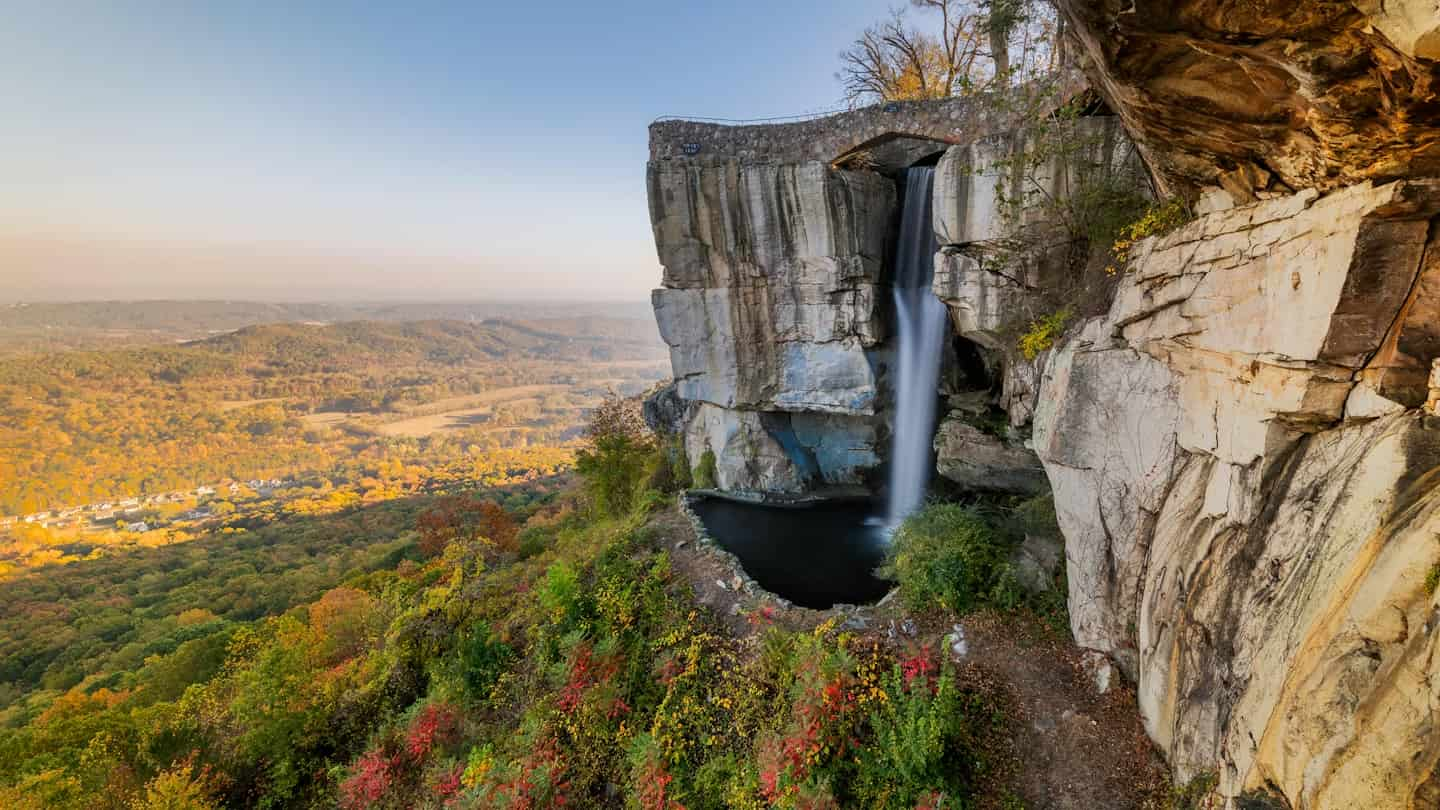
Georgia’s protected areas represent one of the Caucasus region’s most distinctive and ecologically significant conservation achievements. Spanning 349,327 hectares (approximately 7% of the country’s territory), the 12 national parks encompass ecosystems ranging from Europe’s wettest rainforests to arid semi-desert badlands, from 5,000-meter alpine peaks to ancient relict forests estimated at 10 million years old. The Protected Areas Agency of Georgia’s Ministry of Environment coordinates management of these spaces alongside 14 Strict Nature Reserves, 20 Managed Nature Reserves, and 40 Natural Monuments—a comprehensive protected area network reflecting Georgia’s commitment to preserving Caucasian biodiversity.
High-Mountain Sanctuaries of the Greater Caucasus
Kazbegi National Park (1,446 square kilometers, established 1976) encompasses the dramatic central ridge of the Greater Caucasus Mountains, dominated by Mount Kazbek (Mqinvartsveri), a 5,033-meter volcanic peak visible across northeastern Georgia and southern Russia. The park protects high-mountain ecosystems including glaciers, alpine meadows, and the iconic Gergeti Trinity Church, a 14th-century architectural marvel perched at 2,170 meters overlooking the Dariel Gorge. Mount Kazbek’s glaciers serve critical hydrological functions as water sources for eastern Georgia’s river systems. The park harbors endangered species including the East Caucasian Tur (a wild mountain goat subspecies endemic to the Caucasus) and brown bears. Access from Stepantsminda (formerly Kazbegi town) provides trekking opportunities ranging from day hikes to the church to multi-day expeditions targeting the summit or traversing alpine passes.
Tusheti National Park (83,007 hectares) represents Georgia’s most remote and dramatically isolated highland region, sequestered within the structural basin of the northeastern Caucasus Mountains. The region remains accessible only via the perilous Abano Pass, open June through September due to seasonal snow blockade—the precarious mountain road, largely unchanged since 1981 construction, demands respect and vehicle caution. This geographic isolation preserved traditional tower-house settlements and created unique cultural landscapes alongside pristine ecosystems. The park encompasses 11-13 marked hiking trails spanning from day walks to multi-week expeditions. The legendary Omalo to Shatili trek crosses the 2,474-meter Atsunta Pass connecting Tusheti with the neighboring historical region of Khevsureti, offering one of the Caucasus’s most rewarding long-distance hikes through alpine terrain and ancient cultural zones. Oreti Lake Trek (26.7 kilometers, 1,464 meters elevation gain) demands excellent conditioning while rewarding participants with breathtaking alpine vistas. The Ridge Loop (35.6 kilometers, 1,762 meters elevation gain) provides panoramic views from exposed ridgelines. More accessible options include the Diklo Fort Hike (11.2 kilometers one-way) through picturesque villages, and the Gometsari Valley Trail (approximately 30 kilometers) combining scenic beauty with cultural encounters. The villages of Omalo (1,880 meters) and Bochorna (2,345 meters) represent the highest inhabited settlements in Georgia, characterized by traditional defensive tower architecture and subsistence agriculture adapted to extreme mountain conditions.
Pshav-Khevsureti National Park (1,400 square kilometers, established 2014) spans four critical river valleys—the Asa, Arghuni, Andakistskali, and Pshavi Aragvi—creating a dynamic ecosystem harboring endangered Georgian flora and exceptional wildlife diversity. The park functions as a vital conservatory for Panthera pardus (the critically endangered Caucasian leopard), representing one of the last refugia for this species in the Caucasus, alongside Bezoar goats, East Caucasian turs, brown bears, European lynx, and Caucasian red deer. The twin villages of Shatili and Mutso showcase distinctive traditional tower-house architecture (known as “Khevsurian banyan houses”) clustered defensively on mountainsides—settlements that appear frozen in medieval times. These villages maintain traditional defensive arrangements and stone construction techniques spanning centuries, creating dramatic photo opportunities and cultural immersion opportunities for visitors willing to undertake challenging multi-day treks.
Central Caucasus and Accessible Mountain Parks
Borjomi-Kharagauli National Park (85,083 hectares, established 1995) dominates central Georgia within the Lesser Caucasus Mountains, encompassing over 1% of the country’s territory across six administrative districts: Borjomi, Kharagauli, Akhaltsikhe, Adigeni, Khashuri, and Baghdati. The park integrates four distinct protected area categories—Borjomi Nature Reserve, Borjomi-Kharagauli National Park, Nedzvi Managed Reserve, and Goderdzi Fossil Forest Natural Monument. Ecosystems range from coniferous and deciduous forests through alpine meadows to mineral springs, creating environmental heterogeneity supporting diverse fauna. Five principal hiking trails accommodate varying experience levels: Grouse Waterfall Trail, Ninoskhevi Waterfall Trail, Machi Castle Trail (accessing a 5th-century fortress), Black Rock Lake Trail (open June-October for alpine lake hiking), and the “Knowledge of Nature Trail”. Location approximately 2-3 hours from Tbilisi makes this park the most accessible for Tbilisi-based visitors seeking serious hiking without extreme remoteness. Administrative and visitor centers in Borjomi and Kharagauli provide essential infrastructure, trail registration for security purposes, and information services.
Algeti National Park (15,763 hectares, established 2007) extends across the Kvemo Kartli region at the foot of the Trialeti Range in southeastern Georgia. Located roughly one hour’s drive from Tbilisi, Algeti functions as the capital city’s primary nature-tourism option for adventurous day-trippers. The Samepo Ridge Trail (16 kilometers, 7-hour hiking duration) enables independent exploration through forest landscapes with abundant wildlife encounters (rabbits, deer, birds). Integrated rope park facilities serve both adults and children, combining park infrastructure with recreation. Proximity to additional attractions—Kldekari Fortress and Dashbashi Canyon—positions Algeti within a broader tourism circuit enabling multi-site regional exploration. The neighboring Trialeti Planned National Park, extending northeastward, offers additional hiking opportunities including trails to Birtvisi Canyon and Fortress, currently under development.
Arid Ecosystems and Geological Wonders
Vashlovani National Park (established 2003, expanding from a 1935 nature reserve) encompasses one of Georgia’s most distinctive and geologically unusual landscapes: dry steppes, light woodlands dominated by pistachio and juniper, sharp canyons, eroded “badlands” cliffs, and active mud volcanoes. This semi-desert environment creates an almost African savanna-like aesthetic incongruous with Georgia’s typical Caucasian alpine imagery. Three natural monuments constitute Vashlovani’s primary attractions: Eagle Gorge (Artsivi Kheoba), a limestone canyon with white cliffs rising above lush forest, harboring over 60 bird species including rare black storks, vultures, and Colchis pheasants—species accessible from observation decks for dedicated birdwatchers. Takhti-Tepa Mud Volcanoes present an almost extraterrestrial landscape with 20+ active craters ejecting blue clay, oil, and gas from deep earth, creating crusty, mesmerizing surface patterns; the largest volcanoes measure 3-4 meters in diameter. The mud harbors documented healing properties attributed to mineral composition. Alazani River Floodplain Forest (tugai) preserves riparian woodland habitat. Additional features include eroded ridge formations (Pantishira and Datviskhevi) with Byzantine-era military caves, paleontological sites yielding ancient fossils, and the Kakliskure forest area. Vashlovani achieves critical significance as one of the last refugia for the critically endangered Caucasian leopard (Panthera pardus), representing global conservation priority. The park’s visitor center operates in Dedoplistskaro town, with 45-kilometer drive access to the park entrance; bungalows near key attractions (particularly Mijniskure riverside) provide overnight accommodation.
Lagodekhi National Park, anchored by Georgia’s first nature reserve (established 1912), preserves eastern Georgia’s alpine watershed region adjacent to Azerbaijan’s border. The park centers on spectacular waterfalls accessed via well-marked trails from the administrative information center. Ninoskhevi Waterfall (also called Gurgeniani or “Big Waterfall”) plunges 40 meters from vertical cliffs, representing the park’s iconic attraction accessible via 9-kilometer trail demanding 4-6 hours hiking time with multiple river crossings on boulders and strategic bridge navigation. The Rocho Waterfall (Black Grouse Waterfall) trail (9.5 kilometers, medium difficulty) winds through rare hornbeam forest creating dense shade and verdant landscape. Black Rocks Lake, the park’s most challenging destination, sits at 3,000 meters elevation and demands excellent mountaineering conditioning amid elevation changes exposing alpine and semi-alpine ecological zones. Alternative amenities include numerous small lakes, historic fortresses, and camping zones providing extended wilderness experiences. Multi-day trekking packages offer horse support for equipment, balancing accessibility with authentic mountain immersion.
Ancient Rainforests and Wetland Ecosystems
Mtirala National Park (15,698 hectares, established 2007) earned its haunting name—”Mtirala” translates to “to cry” in Georgian—through extraordinary precipitation: annual rainfall averages 4,520 millimeters, making Mount Mtirala one of Europe’s wettest locations, surpassed globally only by Scotland’s western coast. This extreme humidity fosters lush subtropical rainforest ecosystems of unparalleled density within Georgia. The park’s elevation range (sea level to 2,500+ meters) creates cascading ecosystems from lowland wetland forest through mountain meadows, each altitude hosting specialized flora. Characteristic vegetation includes dense chestnut and beech woods with Pontic rhododendron, cherry laurel, and Colchic box understory, supplemented by lianas creating jungle-like impenetrability. Fauna encompasses brown bears, roe deer, wild boar, and bird species including booted eagles, eagle-owls, and golden orioles; amphibian life—Caucasian salamanders, Caucasian toads, Eurasian marsh frogs—thrives in perpetually moist conditions. The park functions as a convergence zone (“Batumi bottleneck”) for over 1 million migrating raptors representing 35 species during autumn migration. Two designated trails provide access: the lower trail (3.5 kilometers, 3-hour duration) ascends to an alpine lake surrounded by impenetrable vegetation reflecting surrounding peaks; the upper trail (1.5 kilometers) reaches a 15-meter waterfall. A 9-kilometer two-day backcountry route extends into wilderness zones. Moss thrives ubiquitously—on trees, bushes, rocks, and cliffs—creating the dominant sensory experience: bright green coloration enveloping hikers within subtropical jungle architecture. A 200-meter zipline, canyoning, and horse-riding opportunities complement hiking activities. The visitor center at Chakvistavi village offers accommodation and restaurants specializing in local honey liquor. The 6-hour drive requirement from Tbilisi necessitates overnight stays, elevating accessibility barriers but rewarding committed visitors with unparalleled subtropical forest immersion.
Kolkheti National Park (28,940 hectares, established 1998-1999) spans western Georgia’s Black Sea coastal plain between the Tikori and Supsa river mouths, encompassing the former Kolkheti State Nature Reserve (established 1947, 500 hectares) and surrounding wetlands. The UNESCO World Heritage designation (2021, as part of Colchic Rainforests and Wetlands) recognizes the park’s preservation of ancient relict ecosystems estimated at 10 million years old—surviving Quaternary glacial cycles that eliminated comparable ecosystems elsewhere. Central Kolkheti wetlands achieve Ramsar Convention status as Wetlands of International Importance. Paliastomi Lake, the park’s primary feature, measures 18.2 square kilometers with 3.2 meters average depth, partially separated from the Black Sea by sand dunes and the Kaparchi channel. Seasonal freshwater influx from the Pichori River maintains complex hydrology supporting diverse aquatic species. The park harbors approximately 40 lakes and lagoons across its deltaic landscape. Critically, Kolkheti wetlands function as essential resting and staging areas for thousands of water birds migrating between Northern Eurasia and Africa, with observable dolphin populations including harbor porpoises, common dolphins, and Black Sea bottle-nosed dolphins. Dense river networks including major rivers Rioni and Khobi create maze-like hydrological complexity. Over 6,000 hectares of peat bogs (Imnati, Shavtskala, Nabada, Churia marshes) reach 6-12 meters thickness, functioning as natural filtering systems absorbing precipitation and providing delayed water runoff—critical flood-mitigation infrastructure during heavy rainfall and snowmelt events. Unfortunately, over 70,000 hectares of Kolkheti wetlands have been drained and converted to agriculture and urbanization, representing ongoing conservation challenges.
Kintrishi and Machakhela National Parks (186.84 and 130.7 square kilometers, established 2007 and 2012 respectively) extend Colchic rainforest protection within Adjara’s southwestern coastal regions. These parks constitute component elements of the UNESCO World Heritage Colchic Rainforests and Wetlands (2021) inscription, collectively protecting subtropical forest remnants.
Unique Conservation Features and Wildlife Protection
The protected areas network collectively safeguards critically endangered megafauna representing global conservation priorities. The Caucasian leopard (Panthera pardus), reduced to fewer than 100 individuals across the entire Caucasus Range, maintains its most stable population centers within Pshav-Khevsureti and Vashlovani National Parks. Endemic species including the East Caucasian Tur—a wild mountain goat subspecies found exclusively in the Greater Caucasus—inhabit Kazbegi and Pshav-Khevsureti parks, where protection regimes enable population monitoring and anti-poaching enforcement. Colchic rainforest relicts harbor amphibian species (Caucasian salamander, Caucasian toad) found nowhere else on Earth.
Visitor Infrastructure and Seasonal Accessibility
Most national parks maintain modest entry fees (5-15 GEL, approximately $2-5 USD) with higher charges potentially imposed for specialized activities (cable cars, boat rides, guided services). Seasonal accessibility varies dramatically: Tusheti’s Abano Pass closes November-May, rendering the region inaccessible without extraordinary mountaineering equipment. Mountain parks achieve optimal conditions May-October; coastal parks (Mtirala, Kolkheti) operate year-round though summer humidity challenges lowland visitors. Transportation infrastructure emphasizes marshrutka (shared minibus) networks from Tbilisi: Algeti requires 1 hour; Kazbegi 2-3 hours; Tusheti 4+ hours; Borjomi 2-3 hours; Mtirala 6+ hours. Guesthouses in villages near parks provide affordable accommodation; backcountry camping operates throughout most reserves with proper registration.
Georgia’s national parks collectively represent conservation achievements integrating ecological protection, cultural preservation (tower villages, medieval fortresses), and sustainable tourism development—balancing wilderness preservation with visitor access across ecosystems spanning from subalpine heights to ancient wetlands.