
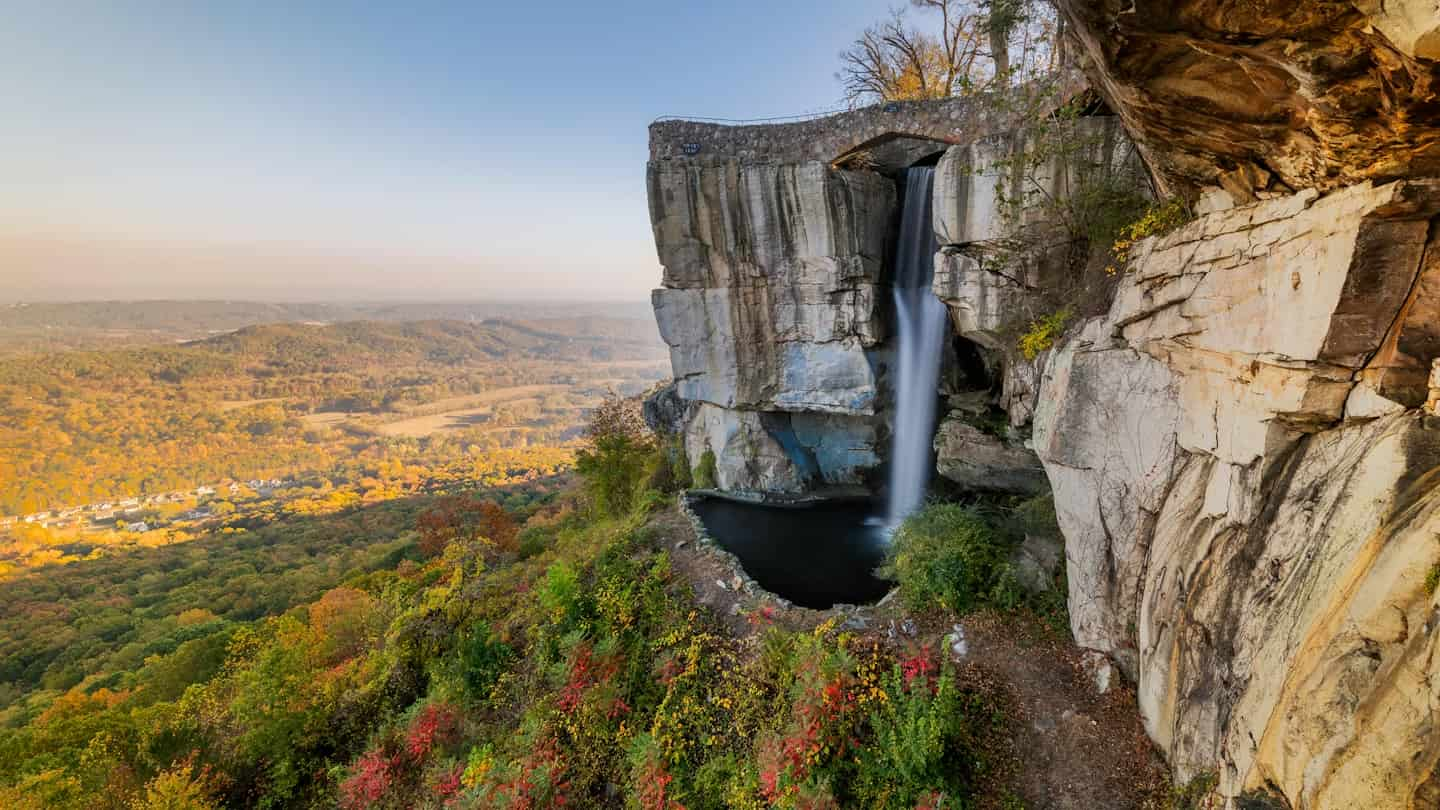
Planning your first trip to Georgia? This complete Georgia travel guide covers everything you need to know before you go, including the best places to visit, transportation, food, money, safety, accommodation, weather, internet access, cultural etiquette and practical travel tips.
- Why visit Georgia?
- What to know before traveling to Georgia
- Entry requirements and documents
- Best time to visit Georgia
- Best places to visit
- Getting around Georgia
- Money, currency and payments
- How much does a Georgia trip cost?
- Georgian food and drinks
- Where to stay
- SIM cards and internet
- Is Georgia safe for tourists?
- Culture and etiquette
- Sample first-time itinerary
- First-time visitor checklist
- Frequently asked questions
Why Visit Georgia?
Georgia is one of the most diverse travel destinations in the Caucasus. Within a relatively compact country, visitors can experience historic cities, dramatic mountains, Black Sea beaches, ancient monasteries, traditional wine regions and a distinctive culinary culture.
For first-time visitors, Georgia is particularly appealing because it can combine a European-style city break with outdoor adventures and cultural experiences. You can spend a few days exploring Tbilisi, travel to the mountains around Kazbegi, visit vineyards in Kakheti and finish your trip on the Black Sea coast.
🏔 Mountains
Explore the Greater Caucasus, dramatic valleys, hiking trails and mountain villages.
🍷 Wine
Discover Georgia’s ancient wine culture and traditional winemaking methods, especially in Kakheti.
🏛 History
Visit churches, monasteries, fortresses and historic towns dating back centuries.
🍽 Food
Try khinkali, khachapuri, lobio, grilled meats and a wide variety of regional Georgian dishes.
🌊 Black Sea
Visit Batumi and other coastal areas for beaches, restaurants, nightlife and seaside attractions.
🏙 Tbilisi
Explore the capital’s old streets, sulfur baths, restaurants, viewpoints and contemporary cultural scene.
What to Know Before Traveling to Georgia
Before traveling to Georgia, it is worth understanding that the country is geographically diverse. A trip that looks simple on a map may involve winding mountain roads and long transfer times.
The official language is Georgian, which has its own unique alphabet. English is increasingly common in hotels, restaurants and tourist areas, particularly in Tbilisi and other major destinations. Russian is also understood by some people, although travelers should not assume everyone speaks it.
The local currency is the Georgian lari (GEL). Cards are widely accepted in urban areas, but cash remains useful for smaller businesses, rural areas, markets and transportation.
Entry Requirements and Travel Documents
Entry requirements depend on your nationality. Some travelers can enter Georgia without a visa, while others may need to apply for permission before traveling.
Before booking flights, check the current requirements that apply to your passport. Rules can change, and requirements may differ depending on the purpose and length of your stay.
Travelers should generally make sure their passport is valid for the required period and has sufficient blank pages if needed. It is also a good idea to keep digital and physical copies of important documents.
Best Time to Visit Georgia
The best time to visit Georgia depends on what you want to do. For a balanced first trip, May, June, September and early October are particularly attractive.
| Season | Best For | What to Expect |
|---|---|---|
| Spring | City trips, nature, sightseeing | Mild weather with occasional rain |
| Summer | Hiking, mountains, beaches | Warm or hot in lowlands |
| Autumn | Wine, food, road trips | Mild temperatures and colorful landscapes |
| Winter | Skiing and snow | Cold, with snow in mountain areas |
Summer is popular for mountain hiking and the Black Sea coast. Autumn is particularly attractive for wine tourism, while winter is the season for skiing and snow activities.
Best Places to Visit in Georgia for First-Time Visitors
Tbilisi
Tbilisi is the natural starting point for most first-time visitors. Spend time exploring the Old Town, Narikala area, sulfur baths, traditional restaurants, contemporary cafes and viewpoints overlooking the city.
Give yourself at least two or three days in Tbilisi if your itinerary allows. The city is also a convenient base for day trips to nearby attractions.
Kazbegi
Kazbegi, also known as Stepantsminda, is one of Georgia’s most spectacular mountain destinations. The journey itself is part of the experience, with dramatic landscapes along the Georgian Military Highway.
The Gergeti Trinity Church is one of the country’s most recognizable sights and offers spectacular mountain views when weather conditions are favorable.
Kakheti
Kakheti is the region to visit if you are interested in Georgian wine, traditional food and rural landscapes. You can combine wineries, monasteries, historic towns and countryside experiences.
Mtskheta
Mtskheta is an excellent addition to a first-time itinerary because it is close to Tbilisi. The historic city is known for important religious and cultural landmarks.
Batumi
Batumi is Georgia’s major Black Sea destination. It offers a very different atmosphere from Tbilisi, with beaches, modern architecture, restaurants, nightlife and seaside attractions.
Gudauri
Gudauri is one of Georgia’s main winter destinations and is particularly popular with travelers interested in skiing and snow sports.
Getting Around Georgia
Transportation is one of the most important things to understand when planning a Georgia itinerary. In cities, taxis and public transportation are convenient. Between cities, travelers can use trains, buses, minibuses, private transfers or rental cars.
Train Travel
Trains can be useful for certain major routes and are generally a comfortable option when available. Check current schedules and book in advance during busy travel periods.
Marshrutkas
Marshrutkas are shared minibuses commonly used for intercity travel. They can be inexpensive and practical, but schedules and comfort can vary.
Private Transfers
Private drivers can be especially useful when visiting multiple rural or mountain destinations. A driver can save time and make it easier to stop at viewpoints and attractions along the way.
Rental Cars
Renting a car gives you more flexibility for road trips through regions such as Kakheti. However, mountain driving can be challenging, especially in winter or poor weather.
Money, Currency and Payments in Georgia
Georgia uses the Georgian lari (GEL). Prices are generally displayed in lari, although some tourist-oriented businesses may quote prices in other currencies for convenience.
Credit and debit cards are widely accepted in Tbilisi and other tourist centers. ATMs are also common in major cities. Nevertheless, carrying some cash is recommended when traveling outside urban areas.
Should You Exchange Money Before Traveling?
You do not necessarily need to carry a large amount of Georgian currency before arriving. Many travelers withdraw local currency after arrival. Compare exchange rates and fees before using an ATM or exchange office.
Tips in Georgia
Tipping practices can vary by restaurant and situation. Check your bill before adding an additional tip, particularly in tourist-oriented establishments.
How Much Does a Trip to Georgia Cost?
Georgia can be a relatively affordable destination, but the cost of your trip depends heavily on your travel style. Backpackers, mid-range travelers and luxury travelers can have very different budgets.
Budget Travel
Hostels, inexpensive local restaurants, public transportation and simple guesthouses can help keep daily expenses lower.
Mid-Range Travel
Comfortable hotels, restaurants, private tours and occasional taxis provide a good balance between comfort and price.
Luxury Travel
Boutique hotels, private drivers, premium restaurants, wine tours and private excursions can substantially increase your budget.
Major Costs to Include in Your Budget
- International flights
- Accommodation
- Airport transfers
- Intercity transportation
- Food and drinks
- Entrance fees
- Guided tours
- Travel insurance
- Outdoor activities
- Shopping and souvenirs
Instead of relying on a single daily budget figure, calculate your trip according to your accommodation category and planned activities. Georgia can be inexpensive for some travelers but considerably more expensive if you rely heavily on private transfers and premium experiences.
Georgian Food: What Should You Try?
Food is one of the highlights of traveling to Georgia. Georgian cuisine combines bread, cheese, meat, vegetables, herbs, walnuts and distinctive sauces in dishes that vary considerably by region.
Khachapuri
A famous Georgian cheese-filled bread with several regional versions.
Khinkali
Georgian dumplings traditionally filled with meat, herbs and broth.
Lobio
A traditional bean-based dish commonly served with bread and herbs.
Badrijani
Eggplant rolls commonly prepared with a walnut-based filling.
Mtsvadi
Georgian-style grilled meat that is especially popular at traditional gatherings.
Churchkhela
A traditional sweet made with nuts and concentrated grape juice.
Georgian wine is another major part of the country’s culinary identity. If you enjoy wine, consider adding a winery visit or wine tasting to your itinerary.
Where to Stay in Georgia
Tbilisi
First-time visitors often choose the Old Town or central neighborhoods because they provide easy access to restaurants, attractions and public transportation.
Kazbegi
Staying overnight in Kazbegi is worthwhile if you want to experience the mountains without rushing through the region as a day trip.
Kakheti
Wine hotels, guesthouses and rural accommodations can provide a more immersive experience than simply visiting Kakheti on a day trip.
Batumi
For a beach-focused trip, choose accommodation according to your priorities. Central areas offer restaurants and nightlife, while other parts of the coast can provide a quieter experience.
SIM Cards, Mobile Data and Internet in Georgia
Mobile connectivity is generally convenient in Georgia’s cities and tourist areas. Travelers can purchase a local SIM card or consider an eSIM before departure if their phone supports it.
Having mobile data is particularly useful when traveling around Georgia because you may need navigation, translation, ride-hailing applications, hotel information and maps.
Is Georgia Safe for Tourists?
Georgia is generally considered a welcoming destination for tourists, but normal travel precautions still apply. Keep an eye on your belongings in crowded areas, use reputable transportation and avoid taking unnecessary risks in remote or mountainous locations.
Mountain activities require additional preparation. Weather can change quickly, trails can be difficult and road conditions may deteriorate rapidly.
Travelers should also pay attention to current government travel advice regarding specific regions and border areas. Do not assume that conditions in one part of Georgia apply everywhere in the country.
Georgian Culture and Travel Etiquette
Georgian hospitality is an important part of the country’s culture. Visitors may encounter generous meals, traditional toasts and strong family-oriented social customs.
Dress Respectfully at Religious Sites
Churches and monasteries are active religious spaces. Dress modestly when visiting religious buildings and follow signs or local instructions.
Learn a Few Georgian Words
You do not need to learn Georgian to travel around the country, but a few basic expressions can be appreciated by locals.
- Gamarjoba – Hello
- Madloba – Thank you
- Nakhvamdis – Goodbye
- Gaumarjos – Cheers
A friendly attitude and respect for local customs will usually take you much further than knowing a large number of words.
Sample 7-Day Georgia Itinerary for First-Time Visitors
If this is your first trip to Georgia, a one-week itinerary should focus on a few destinations rather than attempting to cover the entire country.
| Day | Destination | Suggested Activities |
|---|---|---|
| Day 1 | Tbilisi | Old Town, viewpoints, dinner |
| Day 2 | Tbilisi | Historic sites, museums, sulfur baths |
| Day 3 | Mtskheta + surroundings | Historic monuments and scenic stops |
| Day 4 | Kazbegi | Mountain scenery and Gergeti area |
| Day 5 | Kazbegi / return to Tbilisi | Outdoor activities or additional sightseeing |
| Day 6 | Kakheti | Wine, food and countryside |
| Day 7 | Tbilisi | Shopping, restaurants and departure |
This itinerary can be modified depending on the season. In winter, mountain activities may require additional planning, while in summer you could replace one city day with more hiking or outdoor activities.
Build Your Georgia Trip Around Your Interests
Select your main interest to get a simple recommendation for your first trip.
Georgia Travel Checklist for First-Time Visitors
Common Mistakes First-Time Visitors Should Avoid
Trying to See Too Much
Georgia may look small on a map, but mountain roads and regional transportation can make journeys longer than expected. Build some flexibility into your itinerary.
Ignoring Mountain Weather
Conditions can be completely different between Tbilisi and the Caucasus. Pack appropriate layers and check local weather conditions before heading into the mountains.
Relying Only on Cards
Cards are useful in cities, but cash remains important for smaller businesses and rural areas.
Booking Everything Too Late
Popular hotels, tours and transportation options can become more limited during the busiest periods. Plan ahead if you are traveling during summer or ski season.
Forgetting Travel Insurance
Insurance is particularly important if your trip includes hiking, skiing, mountain roads or other adventure activities.
Frequently Asked Questions About Traveling to Georgia
Yes. Georgia offers a combination of historic cities, mountains, food, wine, nature and beaches. Tbilisi is also a convenient starting point for exploring other regions.
A week is enough for a first introduction to Tbilisi and a few nearby destinations. Ten to fourteen days allows you to explore more regions, including the mountains and wine country, at a slower pace.
The official currency is the Georgian lari, abbreviated as GEL.
Carrying some cash is recommended. Cards are widely accepted in cities, but cash can be useful in rural destinations, markets and smaller businesses.
Try khachapuri, khinkali, lobio, mtsvadi, badrijani and other regional dishes. Georgian wine is also an important part of the country’s culinary culture.
Georgia can be relatively affordable, particularly for food, transportation and accommodation outside the luxury segment. Costs increase during peak tourism periods and for private tours, premium hotels and private transportation.
Tbilisi is the best starting point for most first-time visitors. From there, you can add destinations such as Mtskheta, Kazbegi or Kakheti depending on your interests and available time.
Yes, especially if you want to explore regions such as Kakheti and rural Georgia. However, mountain driving requires additional preparation, and winter conditions can make some roads challenging.
Final Thoughts: Is Georgia Worth Visiting?
Georgia is an excellent destination for travelers looking for something different from a conventional European city break. Its combination of ancient history, dramatic mountains, traditional wine, distinctive food, friendly hospitality and diverse landscapes makes it particularly rewarding for first-time visitors.
The key to a successful trip is not trying to do everything. Choose a realistic itinerary, allow enough time for transportation and adjust your plans according to the season.
For a first visit, a combination of Tbilisi, Mtskheta, Kazbegi and Kakheti provides a strong introduction to Georgian culture, landscapes, food and history. If you have more time, you can add Batumi, Svaneti, Borjomi, Kutaisi or Georgia’s ski destinations.
With the right preparation, Georgia can be an unforgettable destination for both independent travelers and visitors looking for guided cultural, culinary or outdoor experiences.